Get Healthy!
- Posted January 23, 2026
Colon Cancer Now Top Cancer Killer for Americans Under 50, Study Finds
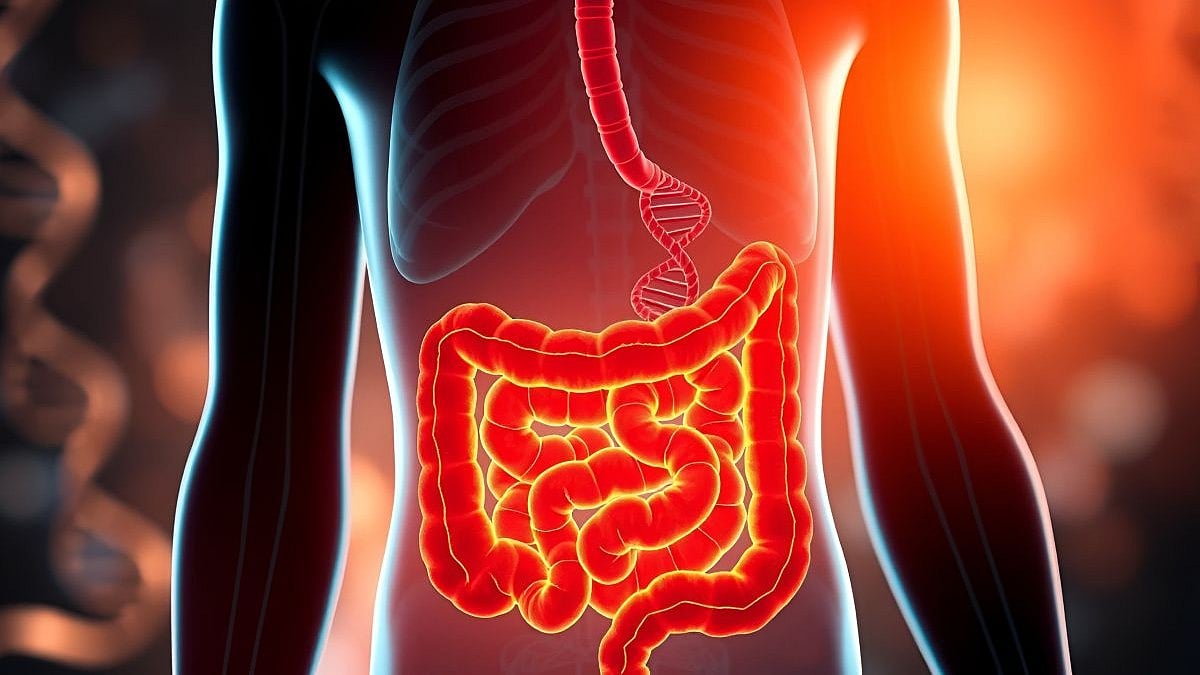
Colon cancer is now the No. 1 cause of cancer deaths in Americans under 50.
It claimed that spot seven years earlier than previously projected.
Colon cancer deaths among people under 50 have risen roughly 1% each year since 2005, researchers reported Jan. 22 in the Journal of the American Medical Association.
That increase stands out because deaths from cancer overall have dropped sharply in younger people.
Since 1990, cancer death rates in people under 50 have fallen by 44%, the study found. Colon cancer was the only one of the five cancers most common in this age group with an increase in deaths.
“It is absolutely an outlier,” lead researcher Rebecca Siegel, senior scientific director of surveillance research at the American Cancer Society (ACS), told NBC News.
Her team reviewed national data from nearly 1.3 million people under 50 who died from cancer between 1990 and 2023. In 1990, colon cancer ranked fifth as a cause of cancer death in this age group.
By 2023, it ranked first.
Meanwhile, deaths from other common cancers dropped. Lung cancer deaths fell sharply, moving from first in 1990 to fourth in 2023 with deaths dropping 6% per year from 2014 to 2023.
Deaths from leukemia also dropped, declining by nearly 2.5% each year over the same period.
Breast cancer remained the second-leading cause of cancer death overall, but deaths fell by 1.4% per year, the study found.
"It's interesting, because colorectal cancer is almost immune to some of these factors that have potentially decreased mortality in other cancers under 50," Christine Molmenti, cancer epidemiologist and co-director of the Northwell Health Early-Onset Cancer Program in Westchester County, New York, told HealthDay.
"The rise in colorectal cancer is real. It's not just due to what's called diagnostic scrutiny, which means you are diagnosing people more often because you are looking for those patients," she continued. "And colorectal cancer really does stand out in that regard, that these really are true numbers, that the cases are truly increasing, and that mortality is also increasing."
The drop in deaths from other cancers does not fully explain why colon cancer deaths are now No. 1, Dr. Andrew Chan, a cancer researcher at Massachusetts General Brigham, told NBC News.
“We’ve had some successes in reducing deaths from other types of cancer, which only magnifies the increase in colorectal cancer death, but the rapid rise in colorectal cancer deaths in people younger than 50 is still quite remarkable,” he added.
The study also found that rising case numbers alone don’t explain the trend. While diagnoses of some other cancers increased, death rates for those cancers still fell.
“I think for a lot of the other cancers that were documented in the study, there could be treatment-related advances that allow patients to live longer and survive the disease," Northwell’s Molmenti added. "So, that would, of course, impact mortality."
But the reason underlying the rise in colon cancer among younger adults remains unclear, doctors said.
About 20% of cases are now diagnosed in people 54 or younger, double the share seen in 1995, according to a recent American Cancer Society report.
Possible contributors include obesity, low physical activity, changes in gut bacteria and diets high in ultra-processed foods.
But researchers suspect other factors may also be involved.
“It’s a good-news, bad-news story, and for a colorectal cancer doctor, it’s a horror story,” said Dr. Folasade May, a digestive disease specialist at UCLA who reviewed the findings.
Experts stress that younger adults should not ignore symptoms such as blood in the stool or constant stomach pain.
Current guidelines recommend colorectal cancer screening starting at age 45, or earlier for people at higher risk.
“Half of the people diagnosed before age 50 are aged 45 to 49, so they are screening-eligible,” Siegel said.
More information
The Mayo Clinic has more on colon cancer.
SOURCES: NBC News, Jan. 22, 2026; Christine Molmenti, co-director, Northwell Health Early-Onset Cancer Program, Westchester County, New York
